A breath of fresh air
Semmelweis was ridiculed for telling doctors to wash their hands. Nearly 200 years later, clean indoor air faces the same resistance.

Last autumn, I saw the play, Dr Semmelweis, in London’s West End. It’s about the pioneering Hungarian doctor, Ignaz Semmelweis, who discovered that handwashing could prevent childbed fever (puerperal sepsis), paving the way for infection control.
The play was moving, and its subject resonated with me. Nearly 17 years ago, shortly after the birth of my third child, I contracted puerperal sepsis. I spent 10 days in intensive care, and it was touch and go as to whether I would make it. Recovery took a long time. Living in a high-income country, I was lucky to receive good care, but it was nonetheless traumatic to face death. And to face death so soon after giving birth.
Semmelweis’ discovery took place nearly 200 years ago, and yet, maternal sepsis remains an obstetric emergency. Globally, sepsis is the third most common cause of maternal mortality. Nearly all deaths occur in low- and middle-income countries, reflecting vast inequities in access to quality healthcare.
In 1847, Semmelweis made his groundbreaking discovery after observing that the mortality rate among pregnant women attended by doctors in the Vienna General Hospital was much higher than among those seen by midwives. He thought this might be because the doctors had come straight from doing autopsies in the morgue without washing their hands. Semmelweis speculated that their hands contained “cadaverous particles” (what we would now call bacteria) and insisted on doctors and medical students washing their hands before attending pregnant women. The maternal death rate plummeted.
However, despite the evidence, some doctors refused to wash their hands. They felt threatened by his theory, which went against scientific opinion at the time. Objecting that a “gentleman’s hands are clean”, they opened windows to clear the miasma or “bad air”. Semmelweis was ridiculed and became increasingly isolated by members of his profession. Disturbed and depressed, he was committed to a mental asylum where, ironically, he died of sepsis from a gangrenous wound in 1865.
As I watched the play last October – one of a few people wearing masks in the packed, stuffy theatre with people coughing around me – I thought of another public health issue: Covid-19. In the mid-19th century, doctors refused to wash their hands and instead opened windows. Nowadays, to prevent a virus that is primarily spread through the air, some public health agencies around the world still promote handwashing. Despite overwhelming evidence that SARS-CoV-2 is airborne, four years since the onset of Covid, too much emphasis is on handwashing, sanitisers and surface disinfection rather than improving ventilation and filtration in hospitals, care homes and schools. After all, handwashing is simple. It puts the onus on the individual, enabling governments and organisations to abdicate responsibility for clean indoor air. As Professor José-Luis Jiménez said, “Droplets and surfaces are very convenient for people in power – all of the responsibility is on the individual. On the other hand, if you admit it is airborne, institutions, governments and companies have to do something.”
In Semmelweis’ day, resistance to change was cultural. High-status “gentlemen” doctors were insulted by the suggestion that they should wash their hands, as it implied they were dirty, and even responsible for women’s deaths. Handwashing was once controversial, as clean air is now. And it took a long time to challenge these attitudes.
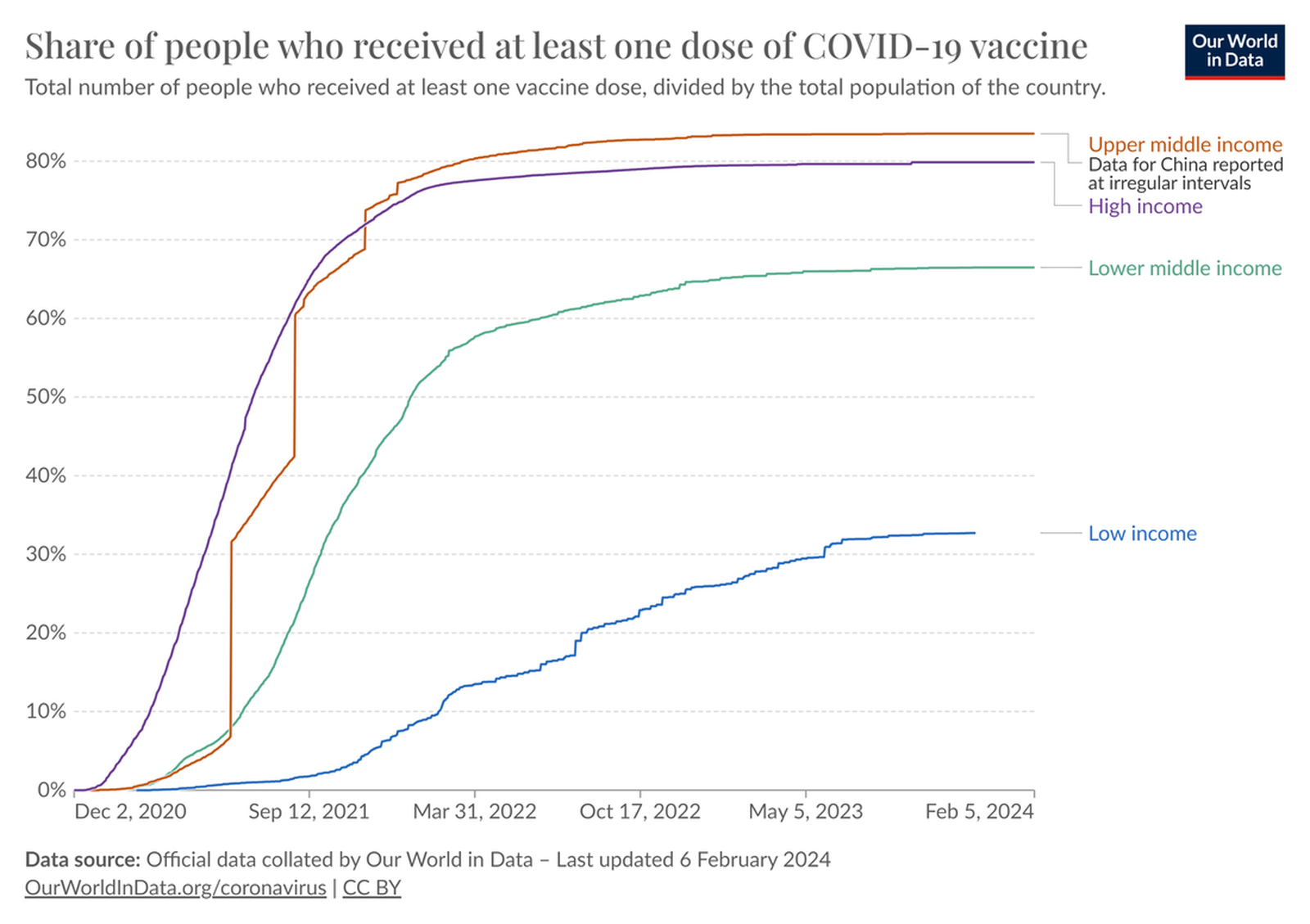
Likewise, as more people are repeatedly infected with Covid and develop debilitating long Covid, deep-rooted changes are needed to tackle the virus. That starts with governments clearly communicating in their public health messaging that Covid is airborne. It means improving the quality of indoor air through low-cost filtration, ventilation and even just opening windows, which will also reduce the spread of other diseases like flu. It means supporting testing and introducing mandatory masking in healthcare settings to protect vulnerable patients. And, with just a third of people in low-income countries having received at least one dose, it means accelerating equitable access to vaccines for all and challenging misinformation.
Living with Covid doesn’t mean pretending it’s over. As Dr Maria Van Kerkhove, Covid-19 Technical Lead at WHO, said recently, “I think it’s important that we continue to talk about it. We understand you don’t want to hear about it. I don’t want to talk about it. But we need to because there’s more we can do.”